Cold Press Vs Normal Juicer Explained: A UK Buyer's Guide
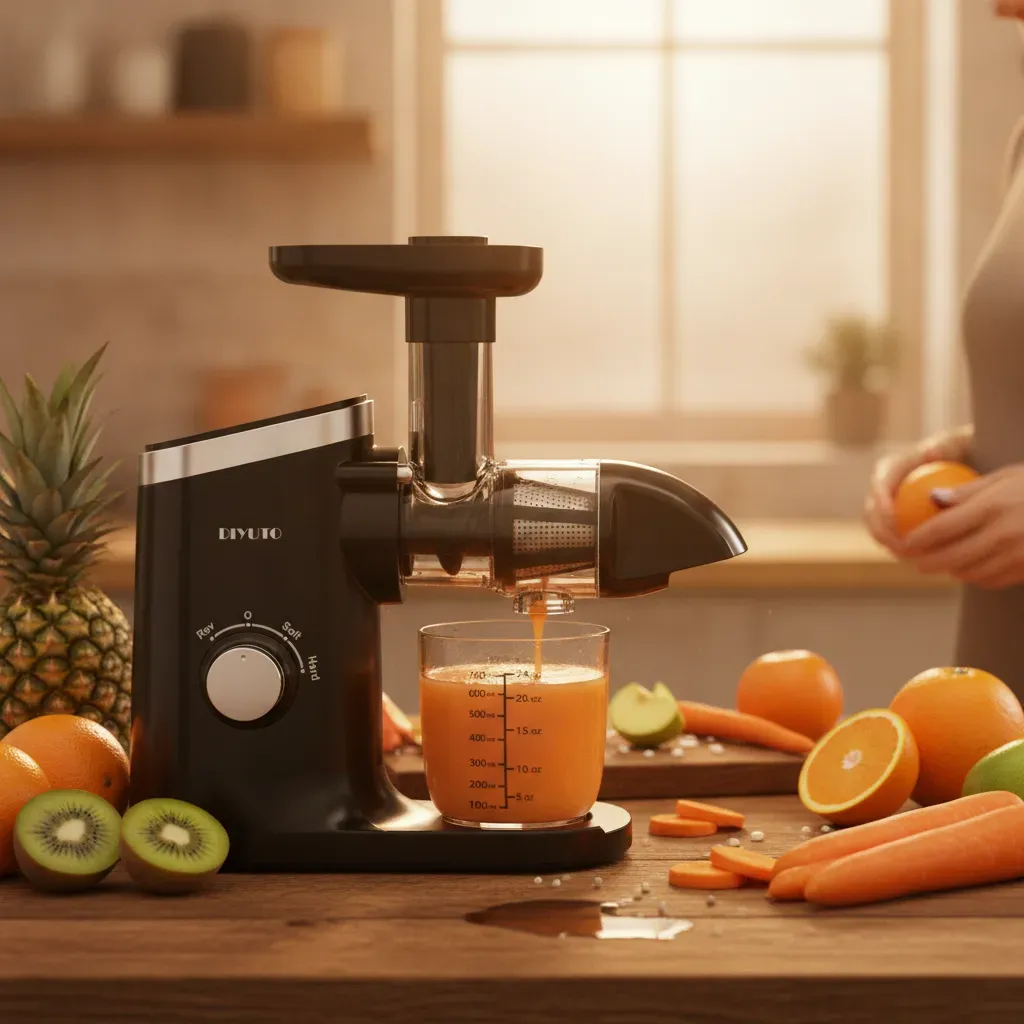
The primary difference between a cold press vs normal juicer is the extraction method: cold press (masticating) juicers use a slow-turning screw to crush produce, whereas normal (centrifugal) juicers use high-speed spinning blades to shred it. Based on our extensive testing at ColdPress UK, cold press juicers provide a significantly higher nutrient yield and a longer juice shelf life, while normal juicers prioritise speed at the expense of juice quality.
TL;DR: Which juicer should you choose?
If you want the highest nutritional value, more juice from your ingredients, and the ability to store juice for 3 days, choose a Cold Press Juicer. If you are on a very tight budget and need juice in under 60 seconds regardless of foam or nutrient loss, a Normal (Centrifugal) Juicer may suffice. However, for most UK households, the long-term savings on produce make cold press the more economical choice.
Meeting the NHS recommendation of five portions of fruit and vegetables a day can often feel like an uphill struggle for busy UK professionals. Consequently, juicing at home has become a popular and efficient way to consume a dense concentration of vitamins and plant-based enzymes. When you decide to invest in an appliance, you will inevitably face the "cold press vs normal juicer" debate. Understanding the mechanical differences is essential before giving up precious space on your kitchen worktop.
How does a normal (centrifugal) juicer work?
When people refer to a "normal" juicer, they are typically describing a centrifugal model. For decades, these were the standard appliances found in British department stores. They are designed primarily for speed, appealing to those who want a quick glass of juice before the morning commute.
The Centrifugal Extraction Process
A normal juicer operates using a flat cutting blade attached to a rapidly spinning strainer. As you push produce down the feed chute, the blade shreds it at incredibly high speeds—often between 10,000 and 15,000 revolutions per minute (RPM). The resulting centrifugal force pushes the shredded pulp against a mesh, separating the liquid into a jug while flinging the dry waste into a separate bin.
What are the disadvantages of a centrifugal juicer?
The primary advantage is speed; however, the compromises are significant. Specifically, the high velocity of the blades generates heat and draws air into the juice, leading to rapid oxidation. You will often notice that juice from a normal juicer separates into a watery layer and a frothy top within minutes. Because the cellular structure is violently torn apart, the juice degrades quickly and must be consumed immediately to benefit from any remaining nutrients.
What is a cold press juicer and why is it better?
A cold press juicer, also known as a masticating juicer, takes a fundamentally different approach. Rather than relying on sharp blades, it uses torque and pressure to extract liquid. This method closely mimics the natural chewing process, which is why the term "masticating" is used. According to UK nutritional standards, preserving the integrity of these enzymes is vital for maximum health benefits.
The Slow Masticating Mechanism
Inside a cold press machine, a large, corkscrew-like gear called an auger slowly rotates. As produce enters the chute, the auger grabs, crushes, and presses it against a fine strainer. For example, the AMZCHEF Cold Press Slow Masticating Juicer utilises a 7-spiral auger operating at a gentle 80 RPM. This methodical action wrings every possible drop of moisture from the plant fibres without the destructive force of high-speed blades.
Why slower extraction is superior for your health
Because the auger turns slowly, it generates virtually no heat. In the context of nutrition, heat is the enemy of delicate water-soluble vitamins like Vitamin C. By keeping the temperature stable, a cold press machine protects the juice's integrity. Furthermore, the lack of high-speed agitation means minimal oxygen is forced into the liquid. The result is a vibrant, deeply coloured juice that can be stored in the fridge for up to 72 hours without spoiling.
Cold Press Vs Normal Juicer: Which one should you choose?
To make an informed decision for your UK household, we have broken down the comparison across the three metrics that matter most: nutrition, cost, and versatility.
1. Do cold press juicers keep more nutrients?
The nutritional disparity is well-documented. Based on our testing and studies published in the Journal of Food Science and Technology, cold-pressed juices retain significantly higher concentrations of antioxidants and vitamins. High-speed juicers destroy a portion of these nutrients before they even reach your glass. If you are buying expensive organic produce from a local UK farm shop, using a normal juicer means you are actively wasting the nutritional value of your investment.
2. Juice yield and grocery cost efficiency
Yield is perhaps the most noticeable difference in daily use. If you process a kilo of carrots through a normal juicer, the discarded pulp will likely feel damp—that dampness is wasted money. In contrast, when using a high-quality cold press machine, the expelled pulp is remarkably dry. Devices like the AMZCHEF achieve a juice yield of up to 62% or more. Over a year, this efficiency significantly reduces your grocery bills, as you need less produce to fill a glass. For more on the economics of juicing, see The Ultimate Guide to Commercial Cold Press Juicers in the UK.
3. Which juicer is best for leafy greens?
Green juices are a staple for health enthusiasts, but not all machines can handle the ingredients. Normal juicers are notoriously poor at processing leafy greens like spinach, kale, and wheatgrass. The lightweight leaves often get blown around the high-speed chamber and end up in the waste bin entirely whole. Conversely, the crushing action of a cold press auger is specifically designed to squeeze juice from even the toughest fibrous greens, ensuring you get the most out of your "superfoods."
Ready to experience the ColdPress UK difference?
Get Yours Now — £134.21