Cold Press Juicer Guide for UK Beginners
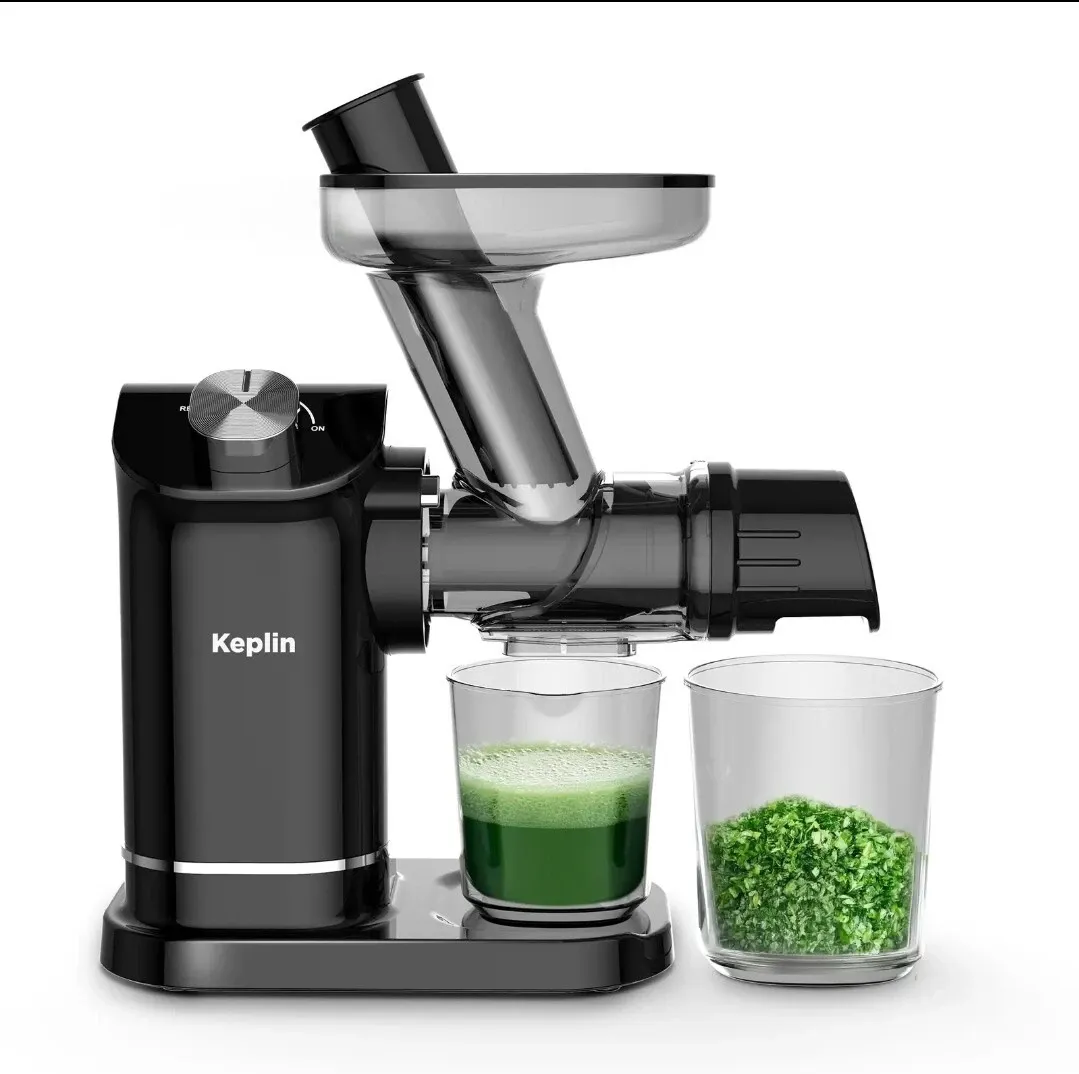
TL;DR: A cold press juicer — sold interchangeably as a slow or masticating juicer — crushes fruit and vegetables with a slowly turning auger instead of shredding them with a high-speed blade. For a first-time buyer the practical differences are simple: noticeably more juice from greens and celery, far less noise, smoother juice that keeps a day or two in the fridge, and a slightly slower, more deliberate routine. This guide covers how the machine works, the specs that matter on a first purchase and how to make sure it doesn't end up gathering dust.
If your feed is full of morning celery juice routines and you've decided to try it at home, the first hurdle is vocabulary. Cold press, slow, masticating — every listing seems to use a different word for a cold press juicer, and the prices run from around a hundred pounds to many times that. The good news: the terms all describe one design, and the things that make a first machine succeed are easy to check on a spec sheet.
What is a cold press juicer and how does it work?
Inside the juicing chamber, a screw-shaped auger turns slowly — our machine presses at 80 RPM — and crushes produce against a fine screen. Juice drips through the screen into your glass; squeezed-dry pulp is pushed out of a separate outlet. There are no fast blades, which is why the machine hums instead of whining and why the juice comes out dense with very little foam.
One beginner's clarification: "cold" refers to the absence of friction warmth from high-speed shredding, not to any kind of refrigeration. The point of pressing slowly is to introduce less air and no heat, which keeps flavour and colour intact for longer and helps preserve heat-sensitive nutrients.
Cold press vs centrifugal: the short version
The "normal" juicer most people start with is a centrifugal model: a spinning blade shreds produce and throws it against a mesh at high speed. It is faster per glass and usually cheaper, but it is loud, foamy and weak with leafy greens. The cold press design wins on yield, noise and juice quality, and loses on speed. If you are weighing the two designs seriously, our full cold press juicer vs normal juicer guide walks through the decision — this page assumes you've settled on slow and focuses on choosing well.
Your first machine: the specs that actually matter
- Pressing speed: around 40–80 RPM is the normal slow-juicer range. Our AMZCHEF machine presses at 80 RPM with a 7-stage spiral auger — slow enough to press properly, quick enough for a weekday morning.
- Noise: under 60 dB (quiet conversation level) is the figure to look for if anyone sleeps near the kitchen.
- Materials: BPA-free Tritan and stainless steel parts are standard at every price now — don't pay extra just for this claim.
- Anti-clog: a reverse function rescues you when celery strings or root fibres wrap the auger. On a first machine this is the difference between a ten-second fix and disassembling mid-juice.
- Cleaning design: count the parts and check how they come apart. One-button disassembly and an included brush make the daily rinse a two-to-three-minute job.
- Warranty and returns: buy from a UK seller with a proper warranty — ours carries 12 months plus 30-day returns — so a first experiment isn't a gamble.
- Size and weight: check the footprint against your worktop before you buy; compact machines around 3.2 kg are easy to keep in a cupboard and lift out daily.
As a price anchor: our AMZCHEF cold press slow masticating juicer covers every item on that list at £134.21 (down from an RRP of £201.31), rated 4.7★ across 432 reviews. Shop-brand machines exist for less, and premium brands charge two to three times more — the checklist above is how you judge whether the extra money buys anything you'll use.
Celery juice and leafy greens: what to expect
Celery, kale, spinach and wheatgrass are exactly the ingredients that defeat blade juicers, and exactly what an auger handles well: the crushing action extracts from fibrous leaves and stalks instead of letting them fly past half-touched. Expect visibly more juice per bunch and pulp that comes out compressed and dry rather than wet. If you want the measured numbers behind that difference, see our masticating vs centrifugal juice yield guide.
Two beginner habits help: alternate soft leafy handfuls with firmer pieces (apple, carrot, cucumber) to keep the auger fed, and go steadily — a slow juicer rewards patience over force.
Will you actually use it? The honest cleaning answer
The number-one reason juicers end up in a cupboard is not performance — it's the sink. Here is the honest version: a cold press juicer has more parts than a kettle and fewer than a food processor, and the entire job stays easy if you rinse straight after juicing. Fresh pulp rinses off in seconds; dried pulp cements itself into the screen. With one-button disassembly, a rinse and a quick pass of the brush over the screen, three minutes is a realistic daily figure. Leave it until lunchtime and you'll double that — and start resenting the machine.
If you know your own habits lean chaotic, set the machine up somewhere it can stay out permanently. A juicer you have to excavate from a cupboard every morning is a juicer that quietly retires by March.
Home juicing vs £5 bottles from the shop
Cold-pressed juice from UK shops and juice bars is expensive, and bottles that sit on a shelf lose the freshness that made you want it in the first place. Making it at home puts the ingredient list under your control — no added apple padding, no sugar syrups — and turns the daily habit from a luxury into a grocery line-item. A sensible way to think about the machine cost: price your usual shop-bought juice per week, and see how many weeks of home juicing the machine represents. For most daily drinkers the arithmetic is short.
One honest boundary while you do that maths: juice counts as a maximum of one of your five-a-day (150 ml), because pressing removes the fibre. Blend your routine with whole fruit and veg rather than replacing them.
Frequently Asked Questions
Is a cold press juicer worth it for beginners?
Yes, if you expect to juice more than a couple of times a week. Quieter running, better yield from greens and juice that keeps 48–72 hours all make the habit easier to sustain. If you only fancy an occasional glass of orange juice, a cheaper centrifugal machine will do.
Do I need to peel fruit and vegetables before cold pressing?
Mostly no. Wash everything, remove hard or bitter skins (pineapple, thick citrus pith) and stones from fruit like plums, then cut pieces to fit the chute. Soft skins such as apple, cucumber and carrot can go straight in.
Can I make celery juice every day in a cold press juicer?
Yes — a slow auger suits stringy celery far better than spinning blades. Feed stalks steadily, alternate leafy and firm pieces, and use the reverse function if fibres start wrapping the auger.
How long does cold press juice keep in the fridge?
In an airtight bottle filled right to the top, 48–72 hours is realistic before flavour and colour fade. Blends heavy on apple or pear brown fastest, so drink those first.
Key takeaways
- Cold press, slow and masticating all describe the same auger-and-screen design — don't buy the same machine twice under different names.
- For celery and leafy greens, pressing beats shredding decisively; that's the main reason beginners choose this design.
- Check five things on any listing: RPM, noise level, reverse function, cleaning design, UK warranty.
- £134.21 buys the full checklist today; premium brands add refinement, not a different principle.
- Rinse the parts immediately after juicing — it is the single habit that decides whether the machine survives past spring.
Ready to start your first celery juice routine?
AMZCHEF Cold Press Juicer · 150W · <60dB · 4.7★ from 432 reviews · Free UK delivery · 30-day returns
Shop the Cold Press Juicer — £134.21